Development Digest - September 2025
“Most people don’t listen with the intent to understand; they listen with the intent to reply.”
– Stephen Covey

In our coaching, defensiveness is a topic that arises multiple times each week, so we thought it would be helpful to share our teaching on the subject.
Defensiveness can feel like a natural reaction when we believe we are under attack. Our partner, family member, or friend makes a comment that we interpret as critical, and almost before we can think, words come flying out of our mouths to protect us. We explain, we justify, or we counterattack. In the moment, defensiveness feels necessary for self-preservation; however, in truth, it is a barrier to love and connection.
Defensiveness has no place in a healthy, loving relationship.
Defensiveness shifts the focus away from empathy, understanding, and collaboration. Instead of listening for the other person’s feelings and needs, we focus on protecting ourselves, maintaining our position, and often, on being “right” at any cost. Thus, we close the door to connection.
This doesn’t mean we should simply accept blame or tolerate disrespect. Quite the opposite. When we experience a perceived attack, we must train ourselves not to attack back or retaliate, and instead hold our boundaries and listen with our whole hearts. Boundaries let us say, “I will not allow myself to be spoken to in a cruel or demeaning way.” Wholehearted listening lets us say, “I hear the content of your feelings and needs, even if the form is a tough pill to swallow.” Together, these create the environment for healing communication rather than escalating conflict.
Defensiveness often shows up as three patterns:
Justifying: “I only did that because you…”
Counterattacking: “Well, what about the time you…”
Withdrawing: “Forget it, I’m done talking.”
Each of these patterns interrupts real understanding. Instead of softening, the conversation hardens. Instead of moving toward one another, relationships move apart.
So, what can we do instead?
First, TAKE A PAUSE. When we feel that defensive reaction arising, take a breath. Remind yourself that you don’t have to respond immediately. Slowing down helps us step out of a knee-jerk reaction into an intentional choice.
Second, LISTEN WITH CURIOSITY. Instead of preparing your defense, ask yourself: “What are they really needing here?” Often, beneath the words that sound like criticism is a plea for reassurance, connection, or help. Wholehearted listening enables us to discern the deeper feelings and needs, even if they remain unspoken.
Third, SET BOUNDARIES WITH CLARITY AND KINDNESS. Boundaries do not have to be harsh. Saying, “I want to hear you, but I can only do that if you lower your voice so I can listen,” is an example of holding a boundary that protects both love and respect.
Finally, RESPOND WITH INTENTION. Responding comes from a place of intention and chooses words that build bridges instead of walls. For example: “I hear that you’re upset. Let’s slow down so we can talk about this calmly.”
In every relationship, we have a choice:
We can either choose to fuel an endless cycle of perceived attack and counterattack. Or, we can choose to nurture the bond we share by establishing boundaries and practicing wholehearted listening.


The Hero’s Journey
This month on our Morning Intentions podcast, we’ve been exploring the Hero’s Journey, one of the most timeless frameworks for personal growth. Each step so far has invited us to see our lives as more than random events; they are part of a larger story of transformation.
We began our month together by recognizing the Call to Adventure: those moments when life invites us to grow beyond our comfort zone. We learned that stepping into the unknown requires courage and that hesitation and doubt are natural companions at the first threshold of change.
This past week, we have been reflecting on the importance of Tests, Allies, and Enemies. We highlighted six different types of tests and recognized that tests and challenges are not roadblocks but opportunities for growth. Allies remind us we are not alone, while perceived “enemies” often reveal where we still have inner work to do, especially if we have self-limiting beliefs. Together, these forces help us discover the strength we may not have realized we had!
Now, we find ourselves at one of the most intense and meaningful parts of the journey: The Ordeal. This stage is where the hero must face their deepest fears, long-held patterns, or greatest obstacles. It is neither comfortable nor easy. The Ordeal represents the point where turning back is no longer an option. The only way out is through.
In personal development, The Ordeal might look like confronting an old habit, having an honest conversation you’ve been avoiding, or staying present in the midst of pain rather than numbing it. While these moments feel heavy, they also hold the greatest potential for transformation. When we face The Ordeal, we begin to see that what once seemed impossible is actually a gateway to growth.
The Hero’s Journey reminds us that life’s difficulties are essential to our personal development – even when they feel like obstacles to peace. As we walk through The Ordeal, we trust that what lies on the other side is wisdom, resilience, and a new sense of self.
Here’s a Reflection Question: What is the Ordeal I am facing right now, and how can I move through it with courage and trust rather than fear and resistance?
Coming Up Next on Our Podcast: After the Ordeal comes the Reward: the clarity, strength, or insight we gain from walking through the fire of transformation.
*We don’t want to rush through such an important theme, so The Hero’s Journey will spill over into our podcasts in October!


Avoiding Politics
Why do the two of you not include politics or a political position in your coaching?
This is a question we receive often, especially in times when political conversations dominate the headlines. The simple answer is that our role as coaches is not to persuade anyone toward a political position, but to create a space for personal growth, self-understanding, and healthier relationships.
Politics, by its very nature, is polarizing. Once political viewpoints enter the room, the focus can easily shift from listening and learning to defending and debating. That dynamic runs counter to what we teach: healthy communication, wholehearted listening, and setting boundaries that protect love and respect. If our sessions were to take on a political tone, the people we serve might feel judged or unheard, and we would risk losing the very trust and safety that make coaching effective.
Instead, we guide clients to focus on what is within their Circle of Control, which includes their choices, actions, and responses. Political issues may shape the world around us, but how we show up in our families, workplaces, and communities is always the most important.
Our mission is to help our clients become the best versions of themselves, regardless of their political beliefs.
By leaving politics at the door, we keep the focus where it belongs: on growth, healing, and creating lives filled with purpose, integrity, and connection.
Warmly,
Annette and Ada
——————————————-
Do you have questions about personal development, navigating relationships, or creating a more balanced and fulfilling life? If you have a question, there’s a very good chance you are not alone, and now’s your chance to ask us directly! Each month, we’ll choose one or more questions to answer in our newsletter. Whether you’re seeking advice on setting boundaries, developing self-understanding, or simply finding peace in the midst of life’s challenges, we’re here to provide you with thoughtful, compassionate insights.
Your privacy is our priority. While we’ll share your questions and our answers, we’ll never share your name or identifying details. Feel free to ask any personal development question that’s on your heart or mind. This is your opportunity to gain clarity and guidance in a safe and supportive space.
To submit your question, visit the newsletter page of our website and click the big button that says “Submit Your Question for Ask Annette and Ada.”
Send us your questions today, and you might see your answer in our next edition of Development Digest.
Please Share Your Experience With . . .

Did you finish the Challenge?
If not, please don’t worry! Keep going!
If you’d like to share about your experience, please email us at yourcoaches@annetteandad.com
September’s Recommendation:
Alexis Ffrench
Every now and then, we discover an artist whose music makes life feel a little lighter.
Lately, that’s been Alexis Ffrench. He’s a British pianist and composer who blends classical piano with modern sounds in a way that’s both relaxing and uplifting. His music has this calming presence that feels perfect for winding down after a long day or creating a peaceful background while you work or read.
One of our absolute favorite songs of his is Dreamland. The moment you hear it, you feel like you’ve stepped into a soft, quiet space where everything slows down. You don’t have to be a classical music fan to enjoy it. It’s gentle, beautiful, and easy to get lost in.
If you’re looking for something new to add to your playlist - something that soothes your spirit and inspires you at the same time - we highly recommend giving Alexis Ffrench a listen. Start with Dreamland and let yourself be carried away. ~ And if you like his music, you will feel like you are in heaven during the holiday season. His holiday music is outstanding!
Self-Care Tip of the Month:
Tidy Your Space for a Peaceful Mind
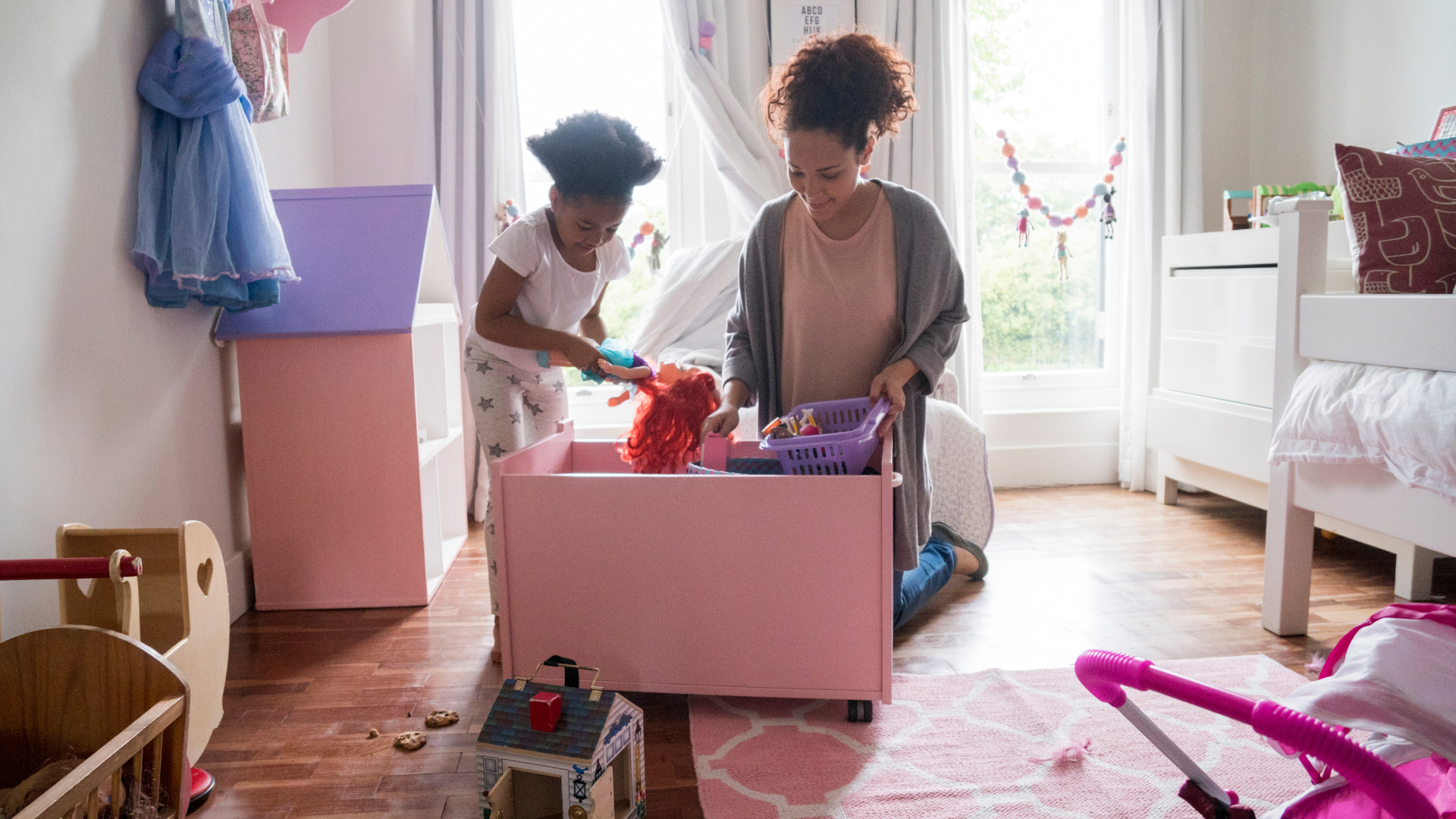
When life feels overwhelming, one of the simplest ways to restore a sense of calm is by tidying up your space. Our physical surroundings often mirror our inner world, and clutter can quietly add to feelings of stress or restlessness. Taking a few minutes each day to bring order to your environment is an act of self-care that has ripple effects far beyond a clean countertop.
Tidying doesn’t mean a full-scale weekend project (unless you want it to!). It can be as small as making your bed, clearing off your desk, or putting the dishes away before heading to bed. These little actions send a signal to your mind: you are cared for, your space matters, and you can breathe easier here.
Think of tidying as creating room for clarity and presence. When your environment is free of distractions, it becomes easier to focus, relax, and enjoy the people and activities that truly bring you joy. A tidy space also creates a welcoming atmosphere for both yourself and others, turning your home or office into a place that supports your well-being.
Give yourself the gift of a few mindful minutes each day to tidy your surroundings. You may be surprised at how such a simple act can lift your spirits and help you feel more grounded and at peace.
Loaded Vegetable Stew

A tried-and-true favorite for us, Loaded Vegetable Stew is the perfect dinner for this time of year. Annette made this last week, and she and Don loved every bite!
Ingredients
Olive oil, desired amount
3 lbs. beef stew meat, cut into 1-inch cubes
6 large carrots, peeled and sliced
3 - 15 oz. cans petite diced tomatoes
4 medium potatoes, cubed
3 cups butternut squash, peeled and cubed
2 medium green peppers, chopped
2 t. dried thyme
2 garlic cloves
32 ounces beef broth
6 cups cabbage, chopped
1/2 t. pepper
Instructions
In batches, brown the beef in the olive oil. Set aside.
Combine the carrots, tomatoes, potatoes, squash, green peppers, thyme, garlic, and beef broth in a large slow cooker. Top with the browned beef.
Cover and cook on high for two hours, then on low for six hours.
Stir in cabbage and pepper. Cover and cook on high for one hour.
