Development Digest - February 2026
This month, we are turning our attention to a pattern that quietly shapes many relationships: codependency. It often hides beneath responsibility, loyalty, and being the dependable one, which makes it both common and hard to recognize. Our hope is to explore this topic with compassion and clarity, not judgment, so that awareness can replace self-criticism. If you’ve ever felt exhausted from doing too much or being responsible for too many people, what follows may feel both surprisingly personal and freeing.

What is Codependency?
If you hear the word codependency and immediately think, “That’s not me,” please stay with us.
Codependency isn’t just about being in a relationship with someone who struggles with addiction, which is a very common belief. And it isn’t simply “loving too much.” Most importantly, it certainly isn’t a character flaw. Years ago, author and licensed psychotherapist Terri Cole taught us about boundaries and helped us to understand codependency in a way no one else ever had.
As Terri Cole explains it, codependency is a pattern of self-abandonment in the name of love, peace, or being a good person.
Many high-functioning, capable, responsible adults are surprised to discover they have codependent tendencies. Why? Because on the outside, these patterns can look admirable:
You’re the reliable one.
You anticipate everyone’s needs.
You smooth over conflict.
You stay calm while others fall apart.
You put yourself last because “it’s not a big deal.”
Until one day, it is.
Codependency often shows up as chronic over-giving, difficulty setting boundaries, people-pleasing, controlling outcomes to reduce your anxiety, or feeling responsible for other people’s emotions. It can look like over-helping adult children, managing a partner’s moods, rescuing friends, or staying silent to avoid rocking the boat.
And here’s the deeper truth: many of these patterns began as intelligent survival strategies.
If you grew up in a home where love felt conditional, where emotions were unpredictable, or where being “laid back” kept the peace, you may have learned to monitor others carefully. You may have learned that being needed equals being valued. You may have learned that your feelings come second.
Those strategies worked. They helped you survive. They may have even helped you succeed.
But survival strategies eventually outlive their usefulness.
When we operate from codependency, we slowly disconnect from ourselves. We lose clarity about what we want, what we feel, and what we need. We may feel resentment we can’t quite explain. Exhaustion that doesn’t go away. A quiet sense that we’re doing too much and receiving too little.
Understanding codependency is important whether you recognize these tendencies in yourself or in someone you love. Without awareness, these patterns quietly shape marriages, parenting, friendships, and even professional dynamics. With awareness, however, something shifts.
We begin to see choice where we once felt obligation.
In March, on our Morning Intentions Podcast, we will begin a full book study of Too Much by Terri Cole. If this topic resonates with you, we invite you to join us as we all learn from Terri’s powerful, compassionate guide for high-achieving, big-hearted people who are ready to stop over-functioning and start living more aligned.
This is deep work. It can feel tender. But it is also profoundly freeing.
If you have ever felt tired of being the strong one…
If you have ever struggled to say no without guilt…
If you have ever felt responsible for someone else’s happiness…
You are not broken. You may simply be using old survival strategies that once kept you safe.


Time for a Book Study!
In February, we focused on Alignment with Self: what it means to live from your values rather than your fears, and from your clarity rather than your conditioning. We explored how easy it is to drift out of alignment over the years, especially when we’ve learned to prioritize peacekeeping, performance, or other people’s expectations over our own inner truth.
Alignment with Self is not selfishness. It is integrity. It is knowing what you feel, what you need, and what matters to you, and then having the courage to live from that place. When we are aligned, our yes means yes and our no means no. Our energy is steady because we are no longer divided within ourselves.
And this naturally leads us into our March focus: as mentioned above, we will begin a book study of Terri Cole's Too Much. This powerful book speaks directly to high-functioning codependency and the tendency to over-give, over-function, and over-identify with being “the strong one,” among other seemingly positive traits.
Now that we understand and have experienced what Alignment with Self actually is, in March, we will identify the patterns that can quietly pull us out of alignment.
Please know that you do not have to purchase Terri Cole’s book to participate in the podcast. We are planning to take a slow journey through the book, and you will learn a great deal, whether you have the book or not!

Ask Annette and Ada

Q: Why do I feel so guilty when I set boundaries, even when I know I’m not doing anything wrong?
A: This is such an important question, and just so you know you are not alone, it is also a very common experience. As you may have heard on our podcast in February, there is a difference between Healthy Guilt and False Guilt.
Understanding this distinction can change everything.
Healthy guilt shows up when we abandon our own values.
It’s the internal signal that says, “That action wasn’t aligned with who I want to be.” Healthy guilt is specific. It’s connected to something we did. And it invites repair. For example, if we speak harshly in anger and later regret it, that guilt is guiding us back to our integrity.
False guilt is very different.
False guilt shows up when we believe we have failed to meet someone else’s expectations, even when those expectations are unspoken, unrealistic, or unhealthy. It sounds like:
“I should have said yes.”
“I’m being selfish.”
“They’re disappointed, so I must be wrong.”
When you begin setting boundaries after years without them, your nervous system may interpret that change as a threat. Guilt rises, not because you violated your values, but because you disrupted a familiar pattern.
Here is the key question to ask yourself:
Did I abandon my values? Or did I simply disappoint someone else?
If you are aligned with your honesty, your limits, and your capacity, your discomfort is likely false guilt. And false guilt is not a command to follow without thinking; it is simply an old reflex.
Discomfort does not necessarily mean you are doing something wrong. Sometimes it means you are finally doing something right. 😊
Since you already know you didn’t do “anything wrong,” please spend some time considering your relationship with False Guilt.
Warmly,
Annette and Ada
——————————————-
Do you have questions about personal development, navigating relationships, or creating a more balanced and fulfilling life? If you have a question, there’s a very good chance you are not alone, and now’s your chance to ask us directly! Each month, we’ll choose one or more questions to answer in our newsletter. Whether you’re seeking advice on setting boundaries, developing self-understanding, or simply finding peace in the midst of life’s challenges, we’re here to provide you with thoughtful, compassionate insights.
Your privacy is our priority. While we’ll share your questions and our answers, we’ll never share your name or identifying details. Feel free to ask any personal development question that’s on your heart or mind. This is your opportunity to gain clarity and guidance in a safe and supportive space.
To submit your question, visit the newsletter page of our website and click the big button that says “Submit Your Question for Ask Annette and Ada.”
Send us your questions today, and you might see your answer in our next edition of Development Digest.
Feburary’s Recommendation:
Too Much by Terri Cole
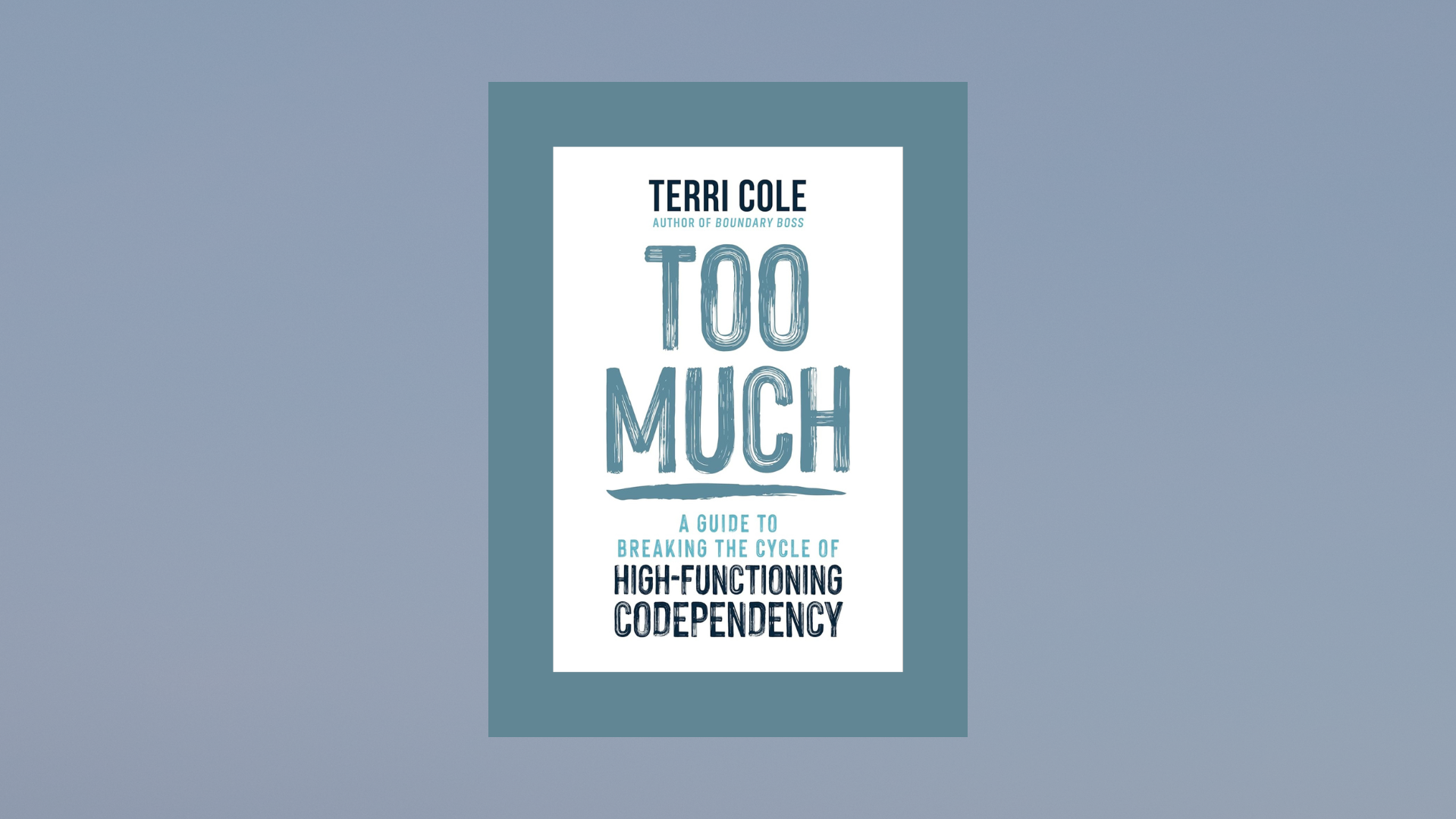
Too Much shines a compassionate light on what Terri Cole calls high-functioning codependency: the subtle, socially rewarded habit of over-giving, over-performing, and over-identifying with being needed. Many people who struggle with these patterns don’t see themselves as codependent at all. After all, they are responsible, productive, generous, and successful!
Terri helps readers recognize how self-abandonment can hide behind competence. She explores how early conditioning shapes our tendency to manage others’ emotions, avoid conflict, and say yes when our hearts want to say no. Most importantly, she offers practical tools for change, including scripts for setting boundaries, strategies for tolerating discomfort, and clear steps toward building self-trust.
What we appreciate most about this book is its tone. It is not shaming. It does not pathologize. It simply invites awareness and then empowers action.
If you are beginning to notice patterns of people-pleasing, resentment, or chronic over-functioning in your life, this book provides both language and direction. And if you have ever been described as “the strong one,” “the capable one,” or “the one everyone depends on,” this month’s recommendation may feel like it was written just for you.
Self-Care Tip of the Month:
Behavioral Courage
This month, as we explore codependency, we want to introduce a concept we call Behavioral Courage. Behavioral Courage is the willingness to take small, aligned actions, even when they feel uncomfortable. It is the quiet strength required to say no, to pause before over-committing, or to allow someone else to handle their own emotions. Growth does not happen because we understand something intellectually; it happens when we behave differently.
Here are some foundational practices to help you get started:
The 24-Hour Pause
Give yourself 24 hours before committing. This interrupts the reflexive “yes” and allows alignment instead of obligation. If you are in the habit of compulsively saying yes before you have time to think about what you really want, try saying “Let me check my schedule and get back to you.”
The Guilt Check-In
When guilt rises, ask:
Did I violate my values? (Healthy guilt)
Or did I disappoint someone? (False guilt)
Write the answer down. Seeing it in black and white helps us identify what type of guilt we are experiencing and retrain our nervous systems.
One Clean “No”
Choose one small situation this month where you would normally overextend and practice a calm, simple no or it’s equivalent. No over-explaining or apologizing.
For example: “I won’t be able to do that.” Full stop.
The Energy Audit
At the end of each day, ask:
What gave me energy?
What drained me?
Where did I act from alignment?
Where did I override myself?
Check in without going into explanations or storytelling. This builds awareness without judgment.
Stop Fixing (Just Once)
Pick one situation where you would normally jump in to help, smooth, or manage and don’t. Allow someone else to solve their own problem.
Notice the discomfort.
Let it pass.
This is advanced self-care for recovering over-functioners.
Ask Yourself First
Before responding to someone else’s need, quietly ask: “What do I want?” Even if you still choose to help, the act of checking in restores connection with self.
What We’re Cooking:
Creamy White Bean and Rosemary Soup
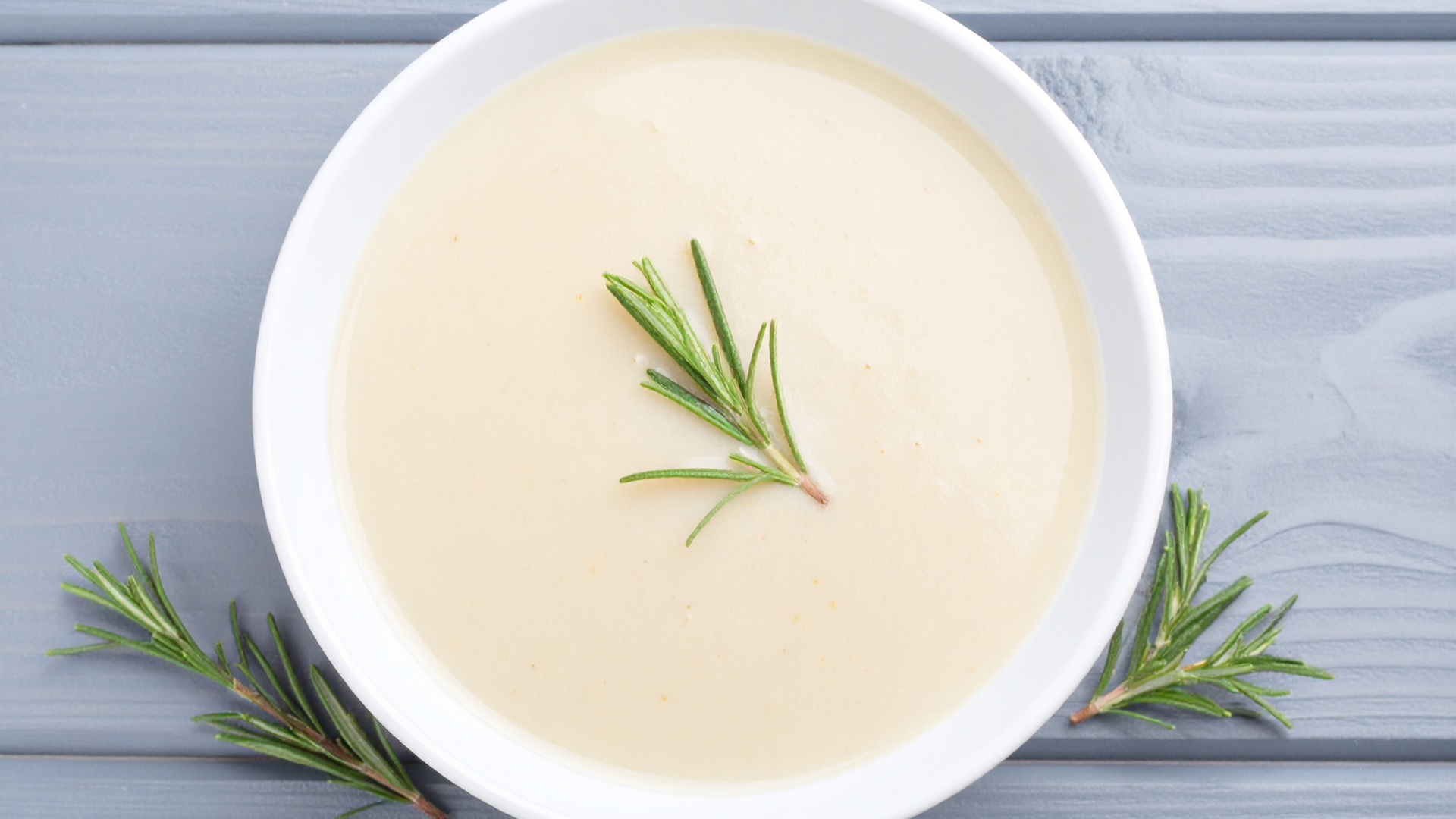
There is something deeply comforting about a warm bowl of soup in February and March. The days are still cool, the evenings come early, and our bodies crave something steady and nourishing. This Creamy White Bean and Rosemary Soup is simple, hearty, and full of flavor, without being heavy. It’s the kind of meal that invites you to slow down and sit at the table a little longer.
Ingredients
2 tablespoons olive oil
1 medium yellow onion, diced
2 carrots, diced
2 celery stalks, diced
3 cloves garlic, minced
1½ teaspoons fresh rosemary, finely chopped (or ¾ teaspoon dried)
2 (15-ounce) cans cannellini or great northern beans, drained and rinsed
4 cups vegetable broth (or chicken broth)
½ teaspoon sea salt (adjust to taste)
¼ teaspoon black pepper
1 tablespoon lemon juice
Optional: ¼ cup heavy cream or coconut milk for extra richness
Instructions
In a large pot, heat olive oil over medium heat.
Add onion, carrots, and celery. Sauté for 6–8 minutes until softened.
Stir in garlic and rosemary. Cook for 1 minute until fragrant.
Add beans and broth. Bring to a gentle boil, then reduce the heat and simmer for 15–20 minutes.
Using an immersion blender, blend part of the soup directly in the pot, leaving some beans whole for texture. (Alternatively, blend 1–2 cups in a standard blender and return to the pot.)
Stir in salt, pepper, lemon juice, and cream if using.
Serve warm with crusty bread or a simple green salad. It stores beautifully in the refrigerator for up to four days and tastes even better the next day. ~ For a hearty version, Annette has made this using homemade broth from the Christmas ham bone in the freezer, and it is extra delicious!
Simple. Nourishing. Just enough.
