Development Digest - July 2025
“Judgments prevent us from seeing the good that lies beyond appearances.”
– Wayne Dyer

Responding with Curiosity Instead of Judgment
In a world that often feels reactive and divided, one of the most powerful personal development tools we can practice is simple, yet transformative: responding with curiosity instead of judgment.
Judgment is quick. It places people in boxes, forms conclusions, and closes doors. Curiosity, on the other hand, slows things down. It opens space. It invites understanding. It asks, “What else might be going on here?”
When someone says or does something we disagree with, whether in conversation, online, or even in our own homes, our minds are quick to label: They’re wrong. That’s ridiculous. How could they think that?
These instant judgments might feel satisfying for a moment, yet they ultimately create separation and stress.
They also don’t help us understand others or ourselves.
Instead of jumping to judgment, we can pause and ask ourselves some Curiosity Questions, such as:
I wonder what led them to this point of view?
What might they be feeling, fearing, or needing?
Have I ever felt this way, even if I expressed it differently?
Curiosity over judgment does not mean we must always agree. It certainly does not mean we excuse harmful and destructive behavior or allow misbehavior to continue. It does mean, however, that we choose to respond from a place of presence, power, and intention rather than to simply react.
Through curiosity, we prioritize connection over control.
Curiosity softens conflict. It invites empathy. And surprisingly, it often reveals that we have more in common than we thought. At the very least, it allows us to act in alignment with our own values instead of being dragged into an emotional tug-of-war.
This practice of asking Curiosity Questions also applies to our inner lives. When we make mistakes or fall short, judgment might say, “You always mess up.” But curiosity asks, “What was I feeling in that moment? What do I need to do differently next time?”
Self-judgment keeps us stuck. Curiosity supports real growth.
In today’s climate, responding with curiosity is not only a personal development skill, it’s a social one. It creates bridges instead of barriers. It models emotional maturity and invites others to rise with us. We can’t make life more wonderful all by ourselves.
A Note About Discernment
While responding with curiosity instead of judgment is the path to better connection in most instances, we must acknowledge that not everyone is safe. We must have discernment about who is safe to engage with and has earned the privilege to access our tender hearts. As coaches, we teach our clients to follow their own inner wisdom to determine when it is appropriate to use curiosity and when they should use discernment.


Our Morning Intentions Podcast
Looking for a meaningful way to start your day? Join us for our Morning Intentions podcast - your go-to source for personal development insights, real-life tools, and heartfelt encouragement. Each episode offers practical wisdom and thoughtful reflections to help you grow, stay grounded, and become the best version of yourself. Whether you’re sipping your morning coffee or settling in for a midday reset, we’re here to support you every step of the way!
Our day is better because YOU are part of our day!
Click here for a sample episode
Follow us on:

Am I Outgrowing My Friends?
Over the past year or so, I’ve been doing a lot of inner work and feel like I’m outgrowing some of my closest friendships. I’ve been really focused on healing, growing, and becoming more mindful of how I live. I’m proud of the progress I’ve made, but I’ve noticed that some of my longtime friendships are starting to feel uncomfortable. Conversations that used to feel fun now feel draining, and I don’t always relate to the way my friends think or speak anymore.
I don’t want to be judgmental or distant, but I also don’t want to keep pretending that everything feels the same. How do I honor my growth without pushing people away? Or, do I have to accept that some friendships simply aren’t meant to last forever?
Thank you for submitting your question!
First, we want to acknowledge your courage in doing your inner work.
Growth often begins quietly. It happens through reflections that shift how we show up for ourselves. Before we know it, we’re living from a deeper place of awareness. With that growth, though, often comes a natural discomfort: not everything around us grows at the same pace, in the same way, or even at all - including our relationships.
Outgrowing friendships doesn’t mean you’re better than your friends or that your love for them is gone. It only means you’re changing, and the space you hold for yourself is changing too.
Sometimes, your own personal growth means you allow more space in the relationship. Other times, it means that you show up differently. In some circumstances, it can also mean that you lovingly let go of the friendship. The most important thing, however, is that you stay authentic. We don’t want you to shrink to stay connected or feel stuck. At the same time, we want you to understand that you don’t have to push people away in order to honor your path.
Here’s a question for you: When you consider your individual friendships, would you be willing to ask yourself whether or not you can be who you are now while remaining in each friendship? If the answer is yes, then lean into the new version of connection that wants to emerge. If the answer is no, trust that it's okay to step back without guilt and shame. Growth invites change. And the friends who are meant to walk with you will grow in their own way, too - even if their growth looks different from your own.
With care and kindness,
Annette and Ada
——————————————-
Do you have questions about personal development, navigating relationships, or creating a more balanced and fulfilling life? If you have a question, there’s a very good chance you are not alone, and now’s your chance to ask us directly! Each month, we’ll choose one or more questions to answer in our newsletter. Whether you’re seeking advice on setting boundaries, developing self-understanding, or simply finding peace in the midst of life’s challenges, we’re here to provide you with thoughtful, compassionate insights.
Your privacy is our priority. While we’ll share your questions and our answers, we’ll never share your name or identifying details. Feel free to ask any personal development question that’s on your heart or mind. This is your opportunity to gain clarity and guidance in a safe and supportive space.
To submit your question, visit the newsletter page of our website and click the big button that says “Submit Your Question for Ask Annette and Ada.”
Send us your questions today, and you might see your answer in our next edition of Development Digest.
How Are You Doing With . . .

Click here to download YOUR Challenge!
If you’d like to share about your experience so far, please email us at yourcoaches@annetteandad.com
July’s Recommendation:
The Anatomy of Peace
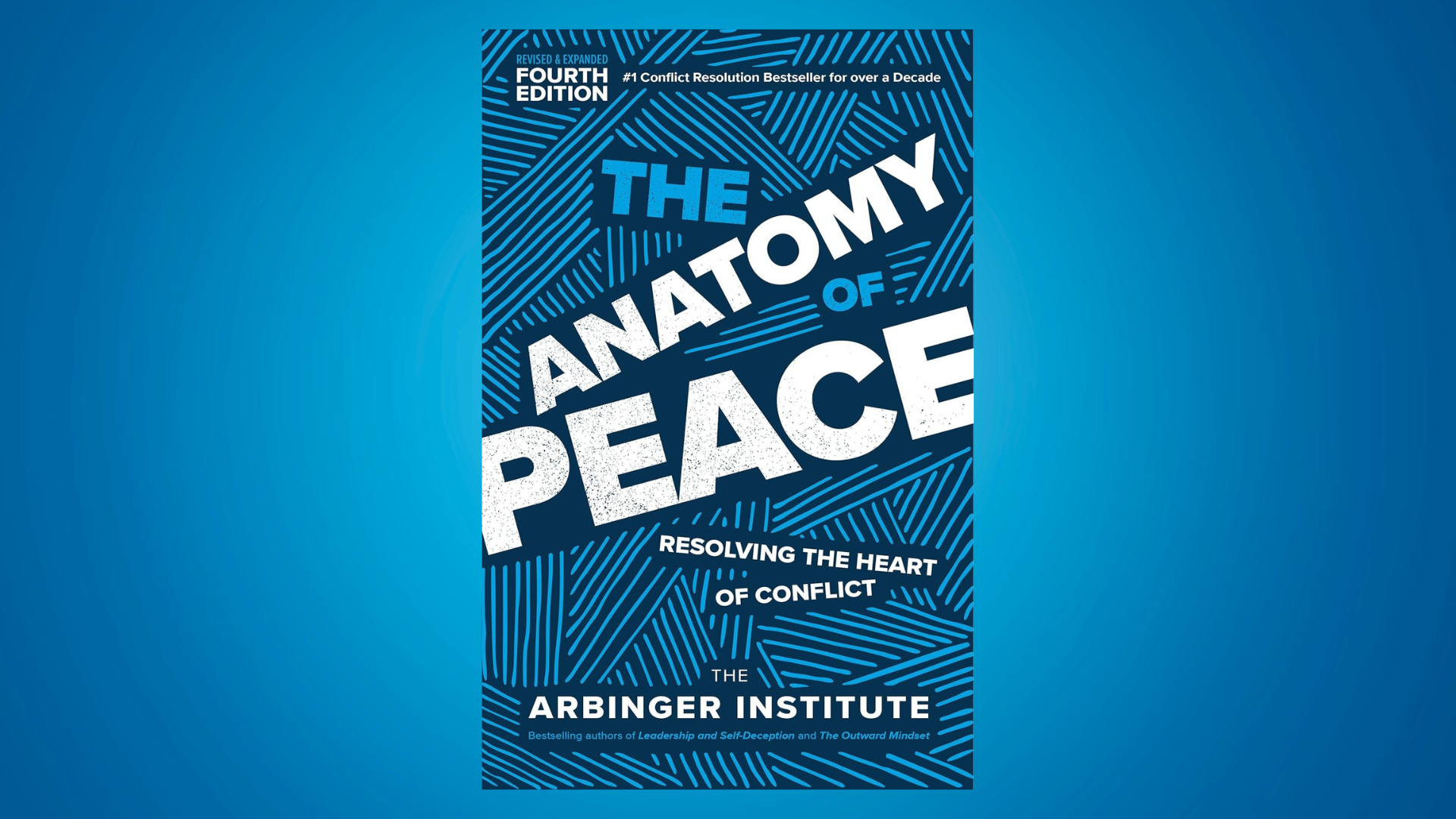
This past month, in our Yellow Room and on our Morning Intentions podcast, we explored The Anatomy of Peace: Resolving the Heart of Conflict, a powerful and transformative book by The Arbinger Institute. It is one of the best personal development books we have ever read – and we have read a lot of them! Unlike others, it is presented as a novel.
Whether you are facing conflict in your family, work, or community, this book offers a fresh lens to understand and resolve conflict by healing what’s at the root: the heart.
The story unfolds through a fictional gathering of parents and youth counselors at a desert retreat. Through their conversations, the book gently reveals how we often unknowingly contribute to the very problems we try to solve and how we can shift to experience life and others differently.
What made The Anatomy of Peace so impactful for us was its emphasis on seeing others as people (having a Heart at Peace), not objects (having a Heart at War), and the practical tools it provided for creating lasting change. We found it deeply relevant for anyone seeking peace in a relationship, a team, or within themselves.
Throughout the month, we unpacked its insights on our podcast. If you missed those episodes, we encourage you to go back and listen. Additionally, we highly recommend this book for your personal development library. You will undoubtedly return to it again and again!
Self-Care Tip of the Month:
Do the Exercise YOU Enjoy! 🏃♀️

There’s no shortage of opinions on what the “best” exercise is - whether it’s strength training, yoga, Pilates, walking, HIIT, hiking, biking, or something else entirely. Scroll through any fitness article or social media feed, and you’ll find strong recommendations, backed by studies and success stories. While this information can be helpful, it’s easy to lose sight of something just as important:
YOU! Your preferences, your body, your joy.
Exercise is meant to support your mental and physical well-being, not another obligation or source of guilt. So instead of forcing yourself into a routine that doesn’t feel like a fit, ask:
What kind of movement do I genuinely enjoy?
Maybe it’s dancing in your kitchen, swimming laps, hiking, or doing tai chi in the backyard. When we do what we enjoy, we’re far more likely to stay consistent. More importantly, we get to experience the emotional and physical benefits in a way that aligns with who we are.
It’s okay if your preferred movement isn’t the “trendy” choice. It doesn’t need to be hardcore or impressive. What matters is that it feels authentic and uplifting. Your body and spirit both respond best when you’re honoring yourself.
This month, we encourage you to give yourself permission to let go of the “shoulds” and find your own rhythm. There’s no one right way to move except the way that feels right to you. Let that be your guide.
Friendship Soup 🍲

A family summer classic! Since as long as we can remember, Annette has made her version of Friendship Soup at the end of July. Why the end of July you ask? Well, our family loves soup, and we prepare many homemade varieties during the cooler months of the year. Summer is typically all about salads, barbeques, and fresh fruit. But by the end of July, we are ready for some soup. Friendship Soup is fun because you can add whatever sounds good to you, which makes it different every time! Here is Annette’s version, but feel free to make it your own!
Ingredients:
1 tablespoon olive oil
1 medium onion, chopped
2 cloves garlic, minced
1 lb meat of your choice: ham, sausage, ground beef, or turkey (skip the meat if you want a vegetarian version)
3 carrots, chopped
2 stalks celery, chopped
1 (15 oz) can diced tomatoes, undrained
1 (15 oz) can tomato sauce
1 (15 oz) can red kidney beans, drained and rinsed
1 (15 oz) can white beans (like cannellini), drained and rinsed
1 cup frozen corn
6 cups vegetable or beef broth – homemade chicken or ham broth works well too!
1 teaspoon Italian seasoning
Salt and pepper to taste
Fresh parsley for garnish (optional)
Steamed brown rice (desired amount)
Instructions:
In a large soup pot, heat olive oil over medium heat. Add onion and garlic, and sauté until softened.
If using ground meat, add it now and cook until browned. Drain excess fat.
Stir in carrots, celery, diced tomatoes, tomato sauce, beans, corn, and broth.
Add Italian seasoning, salt, and pepper. Bring to a boil, then reduce heat and simmer for 30 minutes until veggies are tender.
Taste and adjust seasonings. Serve over a small amount of brown rice. Garnish with fresh parsley if desired.
We like to top ours with avocado, olives, and even sour cream on occasion. Feel free to be creative and try toppings that are special to you and your family!
It wouldn’t be Friendship Soup if you couldn’t share it! Make extra and ladle some into jars or containers, then deliver with a note: “This soup was made for you with love and friendship.” The people in our lives won’t know we love and care about them if we don’t tell them.
